What Is Parkinson’s Disease?
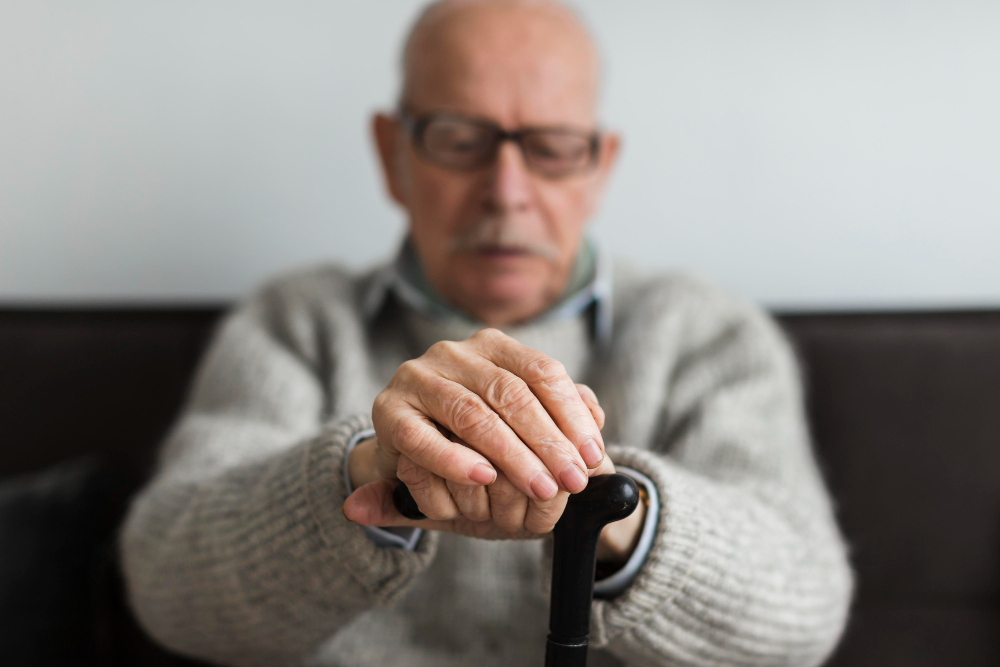
Parkinson’s disease is a brain disorder. It mainly affects movement. People with Parkinson’s may shake, move slowly, or feel stiff. The disease happens when certain brain cells stop working. These cells make a chemical called dopamine. Without enough dopamine, the body cannot control movement well. According to the World Health Organization (WHO), Parkinson’s is one of the most common nervous system disorders in older adults.
Why Early Signs Matter
Early Parkinson’s signs are often mild. However, spotting them early can make a big difference. Early Parkinson’s symptoms may help doctors start treatment sooner. As a result, early detection can slow the disease’s progress. It can also help you plan for the future. In fact, knowing the signs can help you live better with Parkinson’s disease.
Common Early Signs of Parkinson’s Disease
Many people miss the first signs of Parkinson’s. Yet, these early symptoms can be easy to spot if you know what to look for. Here are some common early Parkinson’s signs:
If you notice any of these symptoms, it is important to talk to your doctor. Early Parkinson’s symptoms can be subtle, but they matter.
How Early Detection Can Improve Quality of Life
Early detection of Parkinson’s disease can help in many ways. First, it allows you to start treatment sooner. This can slow down the disease. Second, you can learn ways to manage symptoms early. Third, you can plan for your health and daily needs. According to the Centers for Disease Control and Prevention (CDC), early care can help people stay active longer. In addition, early support can reduce stress for you and your family.
Lifestyle Tips for Managing Early Parkinson’s
While there is no cure for Parkinson’s, you can take steps to manage early symptoms. Here are some helpful tips:
These steps can help you improve life with Parkinson’s and stay independent longer.
When to Consult a Neurologist
If you notice early Parkinson’s signs, do not wait. It is important to see a neurologist. A neurologist is a doctor who treats brain and nerve problems. Early Parkinson’s symptoms can look like other health issues. Therefore, a specialist can help find the right cause. Early detection and care can make a big difference in your quality of life.
Remember: Consult a neurologist for personalized advice if you notice early Parkinson’s signs.