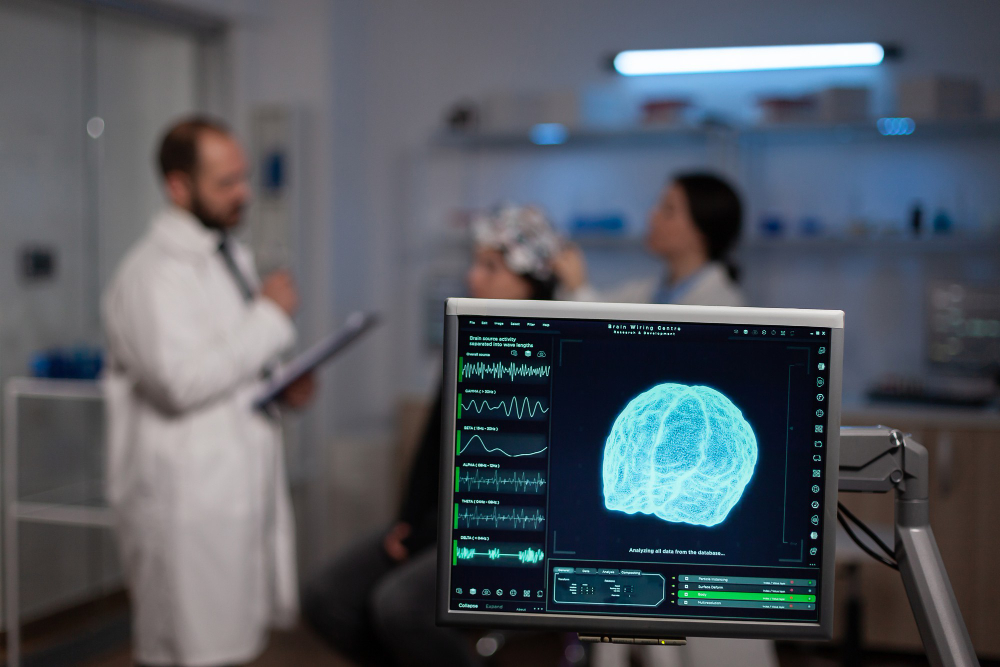
Introduction to Brain Tumors
Brain tumors are abnormal growths in the brain. They can be either non-cancerous or cancerous. Early treatment is important for better results. Today, doctors use modern surgical approaches to treat brain tumors more safely and effectively. These new methods help patients recover faster and with fewer problems. In this blog, we will explain the latest neurosurgery techniques and what you can expect from brain tumor surgery.
Symptoms and Diagnosis
Brain tumors can cause many symptoms. However, these signs may differ from person to person. Common symptoms include:
If you notice these symptoms, see a doctor right away. Early diagnosis can make a big difference. Doctors use several tests to find brain tumors. For example, they may use MRI or CT scans to get detailed pictures of the brain. Sometimes, a biopsy is needed to check the type of tumor. These steps help doctors plan the best treatment for you.
Overview of Modern Surgical Approaches
Modern brain tumor surgery has changed a lot in recent years. Now, doctors use advanced tools and methods to remove tumors safely. Some of the latest neurosurgery techniques include:
These modern brain tumor surgery options lower the risk of damage to healthy brain tissue. They also help patients get back to normal life sooner.
Benefits and Risks of Surgery
Modern surgical approaches offer many benefits. For instance, they often mean:
However, all surgeries have some risks. These may include:
But with the latest neurosurgery techniques, many risks are lower than before. Your doctor will discuss the benefits and risks with you before surgery.
Recovery and Aftercare
After brain tumor surgery, recovery is very important. Most people stay in the hospital for a few days. Doctors and nurses will watch you closely. They will check for any problems and help manage pain. Physical therapy may help you regain strength and balance. Some patients need speech or occupational therapy as well. Follow-up visits are needed to track your progress. With minimally invasive brain tumor treatment, recovery is often faster and smoother. Still, everyone heals at their own pace.
Prevention and Lifestyle Tips
While not all brain tumors can be prevented, healthy habits may lower your risk. Here are some tips:
Although these steps cannot guarantee prevention, they support overall brain health.
Conclusion & Call-to-Action
In summary, brain tumors are serious but treatable. Modern surgical approaches offer safer and faster options for many patients. If you or a loved one has symptoms or needs advice, do not wait. Consult a neurology specialist for personalized advice on brain tumor treatment options.